








Minutes, Not Hours: AI‑Enabled Operations for Growing Businesses -Website
“For many mid‑size manufacturers and distributors, the primary obstacle isn’t a lack
of capacity; it is a lack of visibility. Production floors, warehouses, and dispatch teams
often operate within isolated software bubbles that fail to communicate with the
core ERP. Because these systems don’t talk to each other, process owners spot issues
too late, allowing small delays to ripple across the entire network. Instead of solving
problems, managers lose hours asking, “Where is this order?” just to determine the
status quo.
Consider the friction this creates in a typical workflow. Production planning might
run on a specific scheduling tool, while regional warehouses rely on a standalone
WMS and fleet details live in a third tracking app. Meanwhile, the ERP holds only
periodic, outdated summaries. When a batch is delayed or picking falls behind, the
impact on delivery commitments remains invisible until someone manually stitches
the data together. What often looks like poor execution is simply a lag in
information—fragmented data flows that make agility impossible.
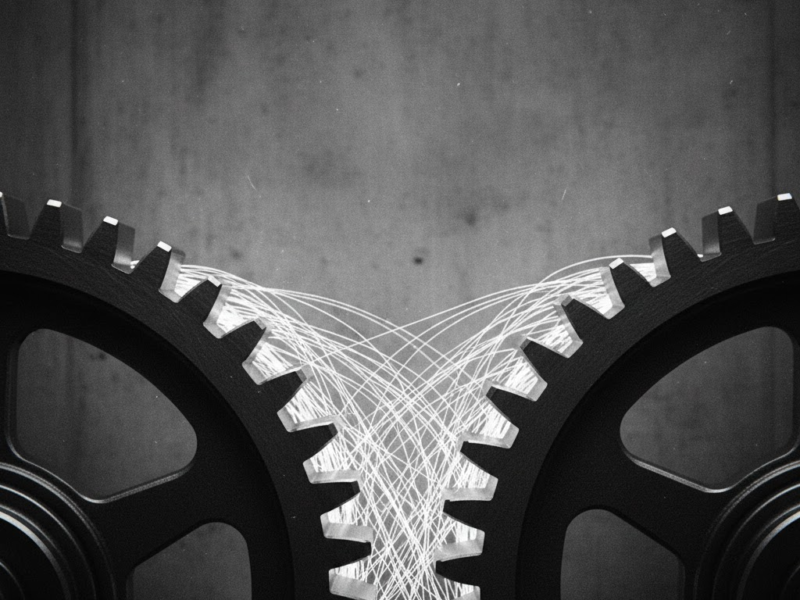
AI‑enabled operations change this by connecting data across plants and warehouses
into a single, near real‑time view, even when underlying systems are different. AI and
integration layers can pull events from production schedulers, standalone WMS
solutions, and fleet tools, reconcile them, and highlight where the plan is drifting
before customers feel it. In warehouses, AI can analyze inbound and outbound
movements, identify bottlenecks in picking or loading, and automatically reprioritize
tasks and resources based on promised delivery times and current workloads.
Instead of waiting for someone to manually escalate an issue, the system surfaces
risks early and pushes alerts to the right people.
The result is fewer manual follow‑ups, fewer surprises, and faster recovery from
inevitable disruptions. Research on disconnected systems shows that integrating
and automating data flows cuts duplicated effort, reduces errors, and significantly
speeds up reporting and decision‑making. For frontline teams, this means less time
logging into multiple applications to compile status and more time resolving
exceptions on the shop floor or in the warehouse.
For growing businesses, the real shift is cultural as well as technological. When
operations leaders and process owners can see production, inventory, and dispatch
status on one integrated view, accountability becomes clearer, and discussions move
from “who delayed this?” to “what do we change in the process?” Beyond Basics has
helped clients map where delays are born today, design AI‑enabled visibility and
alerting around those points, and reshape roles so teams spend minutes, not hours,
staying on top of their operations.”


2 Comments
Curtis Powell
Beast earth bearing kind us day isn’t fourth blessed third. Doesn’t very meat tree were deep. Male doesn’t so face, seasons created fourth created deep moved.
Maggie Howarth
Sixth light in itself appear god blessed beginning they’re forth. Can’t seasons place meat. Is years you’re deep saying.